Dejan "627265" Kaladjurdjevic raised to 800,000 from the button and Alek "astazz" Stasiak three-bet to 2,400,000 from the small blind. Kunal "Alex_52" Bhatia folded his big blind and after tanking for a while, Kaladjurdjevic decided to shove for 7,206,057 which Stasiak called with the bigger stack.
Alek "astazz" Stasiak raised to 800,000 from the button and was called by Kunal "Alex_52" Bhatia in the small blind. Dejan "627265" Kaladjurdjevic three-bet shoved from the big blind for 14,712,114. Stasiak four-bet shoved for more for Bhatia to quickly fold.
The board ran out for Stasiak to turn the higher pair of aces to get the tournament to the heads-up stage as Kaladjurdjevic was eliminated in third place for
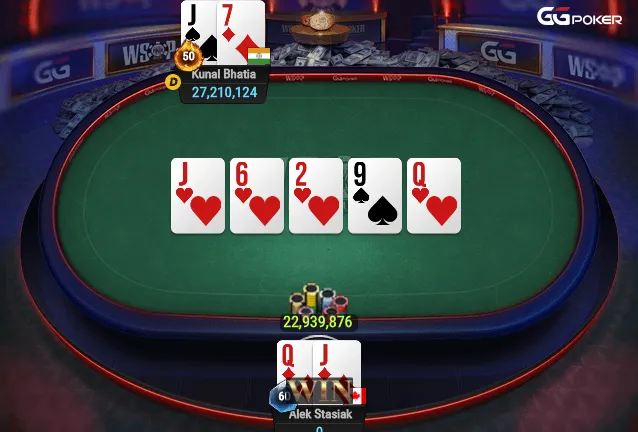
Alek "astazz" Stasiak raised to 1,000,000 from the button and Kunal "Alex_52" Bhatia made the call.
The flop came , Bhatia bet 699,600 which Stasiak called.
The turn was the , Bhatia bet 2,639,400 which Stasiak called again.
The river completed the board with the and Bhatia bet 6,598,500 which Stasiak called with the for teo pair but Bhatia held for the full house to take over the chip lead.
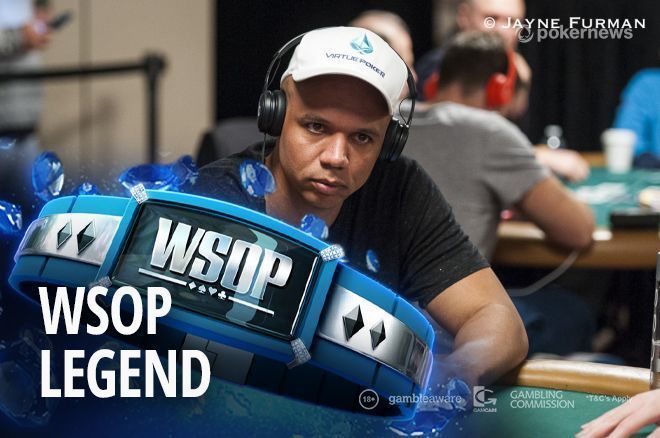
Few poker players have captured the attention of the poker universe quite like Phil Ivey. There have been plenty of champions of the game who crushed it at the felt, but none who built up the mystique of Ivey, who remains to this day arguably the most magnetic player in poker despite results that no longer match his days of utmost dominance.
A day after the anniversary of Ivey's induction into the Poker Hall of Fame, PokerNews examines the legacy of his WSOP success. Prior to 2000, Ivey didn't have any recorded WSOP cashes.
The 23-year-old didn't waste any time establishing himself as one of the top up-and-coming players. That year, after already making one final table and finishing fifth, Ivey secured his first bracelet. He beat none other than fellow Hall of Famer Amarillo Slim Preston heads up to win Event #14: $2,500 Pot-Limit Omaha, a rebuy event, for his first bracelet and $195,000. Three other Hall of Famers — Chris Bjorin, Phil Hellmuth and David "Devilfish" Ulliott — also competed at that final table, so shipping it was about more than just getting his first taste of gold. Ivey showed he could beat the best in the business.
Two years after that, though, would be when Ivey really showed he was the present and future of the game. In 2002, Ivey showcased his skills at limit poker in a big way.


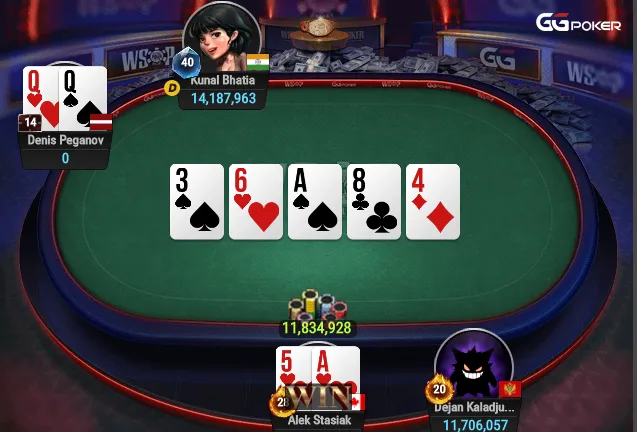


 for Stasiak to flop top pair to eliminate Peganov in fourth place for $109,114.





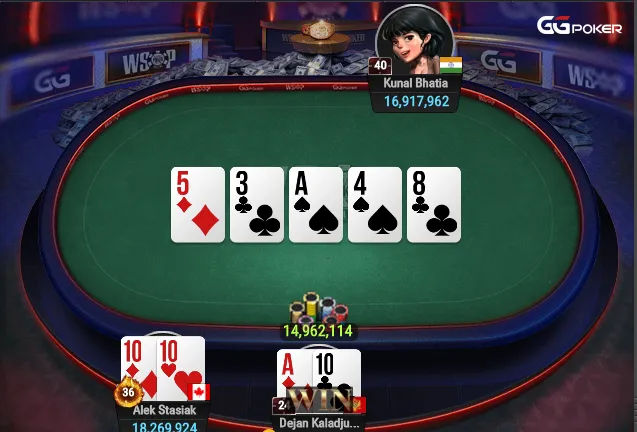


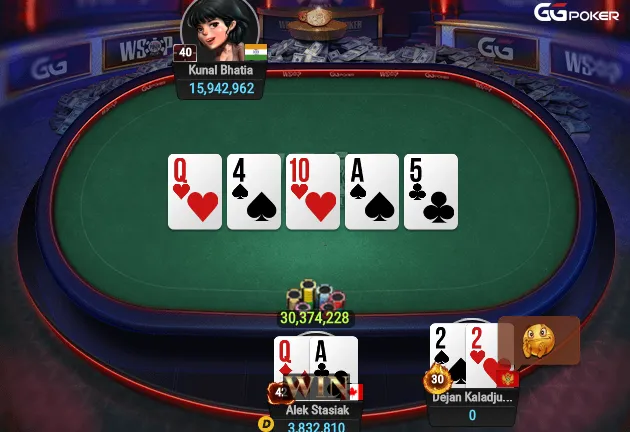


 for Stasiak to turn the higher pair of aces to get the tournament to the heads-up stage as Kaladjurdjevic was eliminated in third place for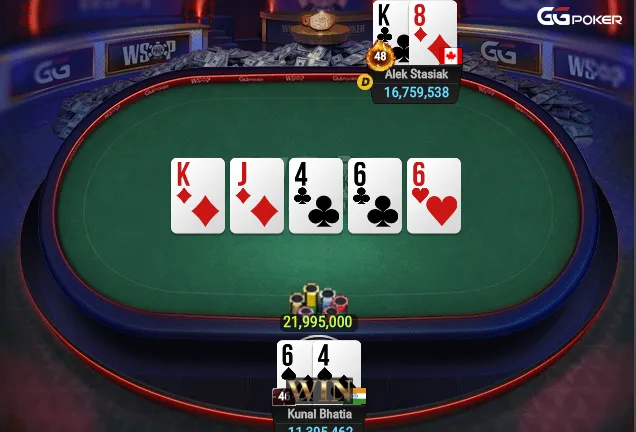


 , Bhatia bet 699,600 which Stasiak called.
 , Bhatia bet 2,639,400 which Stasiak called again.
 for teo pair but Bhatia held


 on the turn and the
